Clogged Drains Are the Most Common Plumbing Problem Homeowners Face
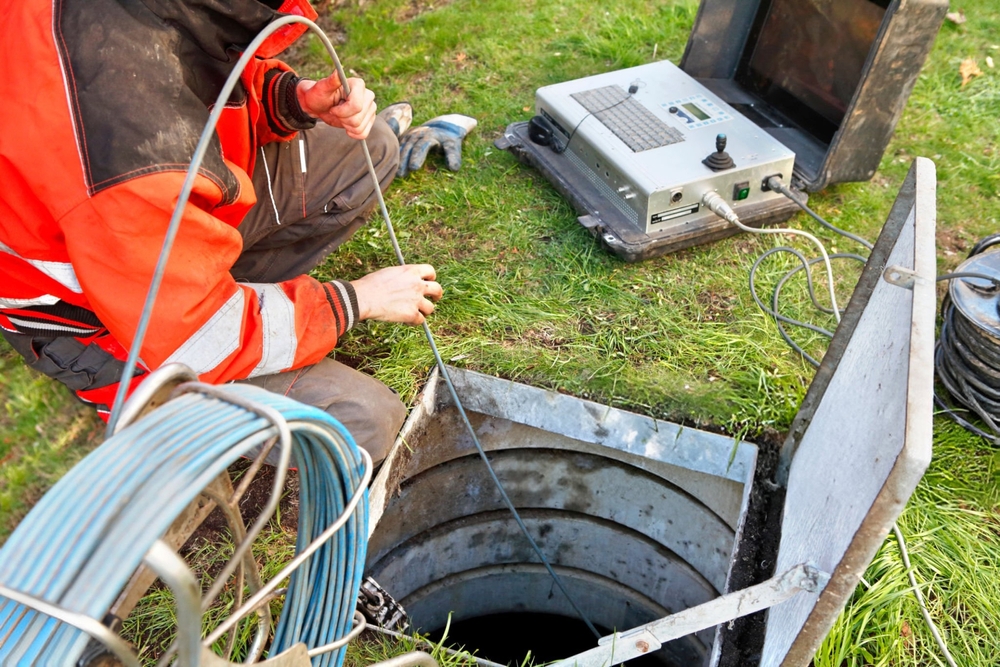 Of all the service calls that licensed plumbing and drain professionals respond to, one issue stands above the rest by a wide margin: clogged drains. Industry professionals across the country consistently identify drain clogs as the single most common reason homeowners and commercial property owners place an emergency call, and it is not difficult to understand why. Every drain in a home — kitchen sinks, bathroom sinks, showers, bathtubs, toilets, floor drains, laundry lines — processes waste water continuously, and every one of those lines collects the debris that daily use sends into them. Hair and soap scum accumulate in bathroom drains. Grease, food waste, and soap residue build up in kitchen sink lines. Lint and fabric fibers from washing machines gradually restrict laundry drain flow. Excess toilet paper and products falsely marketed as flushable create recurring toilet backups. According to the U.S. Environmental Protection Agency, fats, oils, grease, and non-dispersible products like wipes are among the leading contributors to sewer blockages and sanitary sewer overflows nationwide — problems that begin in individual drain lines and compound when left unresolved. Wood's Rooter Service, based in East Providence, Rhode Island, is available 24 hours a day, seven days a week to clear clogged drains in homes and commercial properties throughout Rhode Island, Southeastern Massachusetts, and Connecticut — with no emergency fee, no matter when the call comes in.
The frequency of drain clogs in the region is amplified by the age of Rhode Island and Massachusetts housing stock. Many homes across Providence, Cranston, Warwick, Pawtucket, and surrounding communities were built before modern plumbing materials and installation standards were widely adopted, and their cast iron and clay drain lines have decades of scale, corrosion, and buildup accumulated inside them. According to real estate reporting specific to older New England housing, cast iron pipe that has not been maintained or rehabilitated gradually develops interior pitting and rough surfaces that trap debris more aggressively than smooth new pipe — meaning older drains clog more often, more completely, and more quickly re-clog after basic clearing. For property owners dealing with recurring drain problems in older homes, the issue is rarely just the most recent blockage. It is the condition of the pipe itself. Wood's Rooter's technicians are trained to identify when a simple snaking service resolves the problem and when a deeper issue — scale buildup, root intrusion, or pipe deterioration — is driving a pattern of recurring clogs that requires a more comprehensive approach.
What Professional Drain Snaking and Cabling Actually Involves
When a homeowner picks up a store-bought drain snake from a hardware store, they are holding a short, plastic or thin-wire tool designed to reach a few feet into a drain and pull out whatever is immediately accessible near the drain opening. Professional drain snaking and cabling is an entirely different process. A professional motorized drain cable — also called an auger or rooter — is a heavy-duty, rotating metal cable that can extend up to 75 feet through a drain or sewer line, according to licensed plumbing professionals. The cable is driven by a motorized machine that controls rotation speed and torque, and it is fitted with interchangeable cutting and retrieval heads matched to the type and location of the blockage. For hair and soap clogs in a bathroom sink, a retrieval head pulls the mass out of the pipe. For grease buildup in a kitchen line, a cutting head breaks the accumulation apart. For light root intrusion in a sewer lateral, a root-cutting attachment slices through the growth and restores flow. According to industry pricing data from Angi and C&C Air Conditioning, Heating, Plumbing and Electric — which references Bureau of Labor Statistics wage data and industry-standard pricing benchmarks — professional machine snaking costs between $100 and $275 for standard residential drain clogs, with kitchen sink lines ranging from $110 to $215 and main sewer line clearing ranging from $200 to $800 depending on clog depth and accessibility. Wood's Rooter provides quotes over the phone and free on-site estimates, so property owners understand their costs before any work begins — without a diagnostic fee standing between them and an accurate number.
Industry data consistently shows that motorized machine snaking is the most cost-effective first-line solution for the majority of residential drain blockages. Analysis from plumbing service cost researchers indicates that professional machine snaking resolves approximately 85 percent of standard residential clogs efficiently — making it the appropriate starting point for most drain service calls before more intensive methods like hydro jetting are considered. That 85 percent figure reflects a real and meaningful truth about most household clogs: they are not structural pipe failures or heavy industrial-grade accumulations. They are the predictable result of daily use in a drain system that has not been serviced in months or years. A motorized cable in the hands of a trained technician reaches the blockage, breaks it apart or retrieves it, and restores flow — typically in a single visit. Wood's Rooter's drain snaking service covers all residential and commercial drain types, including kitchen sink lines, bathroom sink and tub drains, shower drains, toilet lines, floor drains, laundry drains, and main sewer laterals, serving all of Rhode Island and Southeastern Massachusetts with same-day response on most service calls.
Why Store-Bought Chemical Drain Cleaners Make the Problem Worse
The most common mistake Rhode Island and Massachusetts homeowners make when they encounter a slow or clogged drain is reaching for a bottle of store-bought chemical drain cleaner before calling a professional. These products are heavily marketed as fast, simple solutions — but the data on what they actually do to residential drain pipes tells a very different story. Chemical drain cleaners work by generating intense heat through a caustic chemical reaction inside the pipe, typically relying on sodium hydroxide (lye) or sulfuric acid to dissolve the clog material. That reaction can raise temperatures inside a pipe to 200 degrees Fahrenheit, according to plumbing industry research — heat that softens PVC pipe joints, accelerates internal corrosion in older cast iron and galvanized steel lines, and weakens the glued connections in plastic drain systems. Research cited by licensed plumbing professionals indicates that chemical drain cleaners fail to fully clear the blockage in approximately 62 percent of cases after a single treatment, meaning the product sits trapped behind the remaining clog — in direct, prolonged contact with the pipe wall — continuing to corrode the pipe long after the homeowner assumes the problem is solved. The U.S. Environmental Protection Agency classifies chemical drain cleaners as household hazardous waste products, noting that improper disposal — including pouring excess product down a drain — can contaminate septic systems, wastewater treatment systems, and local water sources. Wood's Rooter's mechanical snaking approach removes the physical blockage from the pipe entirely without introducing corrosive chemistry into the drain system, protecting the pipe's long-term condition while solving the immediate problem.
The safety risks associated with chemical drain cleaners extend well beyond pipe damage. According to plumbing industry research, approximately 3,000 injuries related to drain cleaners are reported in the United States every year, with roughly one-third involving chemical burns from sulfuric acid exposure requiring skin grafting. Household cleaning product incidents account for 11 percent of all calls to poison control centers involving children under six years old, according to data cited by licensed plumbing professionals and consumer safety researchers. The Centers for Disease Control and Prevention warns that mixing household chemicals — including different types of drain cleaners — can produce toxic gases and cause serious injury. For older homes in Rhode Island and Massachusetts that already have compromised cast iron or PVC drain lines, the addition of repeated chemical cleaner applications creates a compounding risk: each application that fails to clear the clog leaves another layer of corrosive residue bonded to already-deteriorating pipe walls. When a licensed professional then arrives to snake the line, that trapped caustic liquid can splash back during cable rotation — creating a workplace hazard and extending the cleanup required. Wood's Rooter's trained technicians identify and communicate any chemical product concerns at the start of a service call, taking the steps necessary to protect both the pipe system and the people in the home.
Recognizing When a Drain Needs Professional Snaking Service
Not every slow drain needs immediate professional attention, but the signs that a drain has progressed beyond what a plunger or store-bought product can resolve are reliable and worth knowing. A drain that empties more slowly than it did a month ago — without any single identifiable cause like a dropped item — is accumulating a buildup of debris that will eventually block flow entirely. Standing water in a shower or bathtub that takes more than a minute or two to fully drain indicates that the line is significantly restricted. Multiple drains in the same home draining slowly at the same time — or a toilet gurgling when a nearby sink is used — points to a blockage in the main sewer line rather than an individual fixture, which requires immediate attention before a full backup occurs. A drain that has been cleared by chemical products two or more times in a short period without lasting improvement is a drain that needs mechanical clearing, not more chemistry. According to Angi's consumer guidance for drain service, recurring clogs and gurgling sounds from multiple fixtures simultaneously are the clearest indicators that a clog has reached the main sewer lateral — a situation that professional machine cabling is specifically designed to address. Wood's Rooter responds to all of these scenarios with motorized drain cabling equipment sized for the specific drain type involved, using the right cable diameter, cable length, and cutting head configuration to match the actual conditions found in the pipe rather than applying a one-size approach to every blockage.
The consequences of ignoring a worsening drain clog extend beyond inconvenience. A fully blocked main sewer lateral means that no wastewater can leave the home — and the first signs of that condition are sewage backing up through the lowest drains in the building, typically floor drains in basements or first-floor bathroom fixtures. Sewage backup introduces Category 3 black water into the living space, a contamination classification that the water damage restoration industry identifies as requiring professional remediation of all affected surfaces and materials. The EPA has documented that sanitary sewer overflows — which begin at the level of individual blocked drain laterals — can release raw sewage into surrounding soil, groundwater, and nearby waterways, creating both property damage and environmental contamination. For Rhode Island homeowners near the Narragansett Bay watershed or Southeastern Massachusetts coastal communities, that environmental dimension is not abstract. Addressing drain blockages promptly through professional snaking keeps waste where it belongs — in the municipal sewer system — rather than creating a backup event that affects both the property and the surrounding environment.
How Drain Snaking Differs From Hydro Jetting, and When Each Applies
Professional drain snaking and hydro jetting are complementary services, not interchangeable ones, and understanding the difference helps property owners make informed decisions when they call for service. Drain snaking — also called cabling or augering — physically breaks apart or retrieves a blockage by sending a rotating cable through the line. It is the appropriate and most cost-effective first response for the majority of household clogs: hair accumulations in bathroom drains, food and grease blockages in kitchen sink lines, toilet clogs, laundry drain restrictions, and light root intrusion in sewer laterals. Snaking restores flow quickly and at a cost that reflects the straightforward nature of the work. Hydro jetting, by contrast, uses high-pressure water — typically between 1,500 and 4,000 PSI — to scour the entire interior surface of a pipe, removing accumulated debris from wall to wall rather than simply opening a path through the blockage. The National Association of Sewer Service Companies identifies hydro jetting as the most thorough method for deep cleaning drain and sewer lines, and it is the appropriate follow-up when snaking reveals that the pipe walls themselves are coated in grease, mineral scale, or compacted debris that will rebuild a new clog quickly if left in place. For a drain that has been snaked multiple times in a short period and keeps re-clogging, that pattern is a signal that the pipe surface — not just the discrete blockage — needs to be cleaned. Wood's Rooter provides both drain snaking and hydro jetting services, and technicians assess the actual conditions in the drain before recommending which approach applies — ensuring that the right service is prescribed rather than the most expensive one available.
The distinction between the two methods also has implications for older pipe systems common across Rhode Island and Massachusetts. High-pressure water jetting is highly effective but should be preceded by a video camera inspection in cases where the pipe's structural condition is uncertain, because heavily deteriorated cast iron or cracked clay pipe may not withstand jetting pressure without risk of further damage. Drain snaking carries no such pressure risk, making it the safe and appropriate starting point for older drain systems where pipe condition has not been recently confirmed. According to plumbing industry guidance, a video camera inspection adds approximately $295 to $350 to a service call but provides a real-time, documented view of exactly what the technician is working with — preventing both misdiagnosis and the cost of a service method that turns out to be wrong for the pipe's actual condition. Wood's Rooter performs video inspections as a diagnostic step when pipe condition is in question, using what the camera reveals to determine whether snaking, jetting, pipe lining, or a combination of those services represents the most direct path to a lasting resolution.
Commercial Properties Have Drain Snaking Needs That Go Beyond Residential Scale
For restaurants, multi-family buildings, commercial kitchens, office properties, and industrial facilities in Rhode Island and Southeastern Massachusetts, drain blockages carry consequences that extend beyond the inconvenience they create in a single-family home. A clogged floor drain in a commercial kitchen can trigger a health department inspection. A backed-up drain in a multi-unit building affects multiple tenants simultaneously and creates landlord liability. A blocked main line in a restaurant during operating hours can force a business to close for the day — a loss that far exceeds any drain service cost. Commercial drain lines handle significantly higher volumes of waste than residential systems and accumulate grease, food debris, and commercial cleaning product residue at a rate that demands more frequent professional attention. The EPA has specifically identified fats, oils, and grease from commercial food service operations as one of the primary drivers of sanitary sewer overflows in the United States, with municipal wastewater authorities across Rhode Island and Massachusetts working to enforce grease trap maintenance and commercial drain cleaning compliance as a direct response to this documented problem. Wood's Rooter's motorized cabling equipment is scaled for commercial drain work, with cable lengths and torque capacities appropriate for larger-diameter floor drains, commercial sink lines, and grease-laden kitchen drain runs that would overwhelm residential-grade equipment. The company holds Rhode Island Contractor License GC-28414, Underground Utility Contractor License UU-44252, and OWTS License L1734 from the Rhode Island DEM — credentials that cover the full scope of both residential and commercial drain work, not just household fixture service.
Recurring drain problems in commercial settings almost always point to a combination of factors: high-volume daily use, inadequate cleaning frequency, grease accumulation between trap cleanings, and in older buildings, the same aging cast iron infrastructure that affects residential properties in the region. A drain cabling program on a consistent scheduled basis — monthly, quarterly, or seasonally depending on usage — is the professional standard for high-use commercial drains, and it is far less expensive than the emergency call that follows when a clog reaches the point of complete blockage during peak business hours. Because Wood's Rooter operates around the clock without an emergency fee, commercial property owners and property managers in Rhode Island and Southeastern Massachusetts have access to the same rate regardless of whether the call comes in at noon on a Tuesday or midnight on a Saturday. That consistency makes it practical to address a drain problem as soon as it appears rather than waiting until morning or Monday in hopes of avoiding a premium service charge.
Wood's Rooter Provides Drain Snaking and Cabling Across Rhode Island and Massachusetts
Wood's Rooter Service is a family-owned and operated drain and sewer company headquartered at 28 Boston St, East Providence, Rhode Island. Founded in 2007 by Steve Wood — who trained under four generations of family knowledge in drain and sewer work — the company serves all of Rhode Island, Southeastern Massachusetts, and Connecticut. Technicians are available 24 hours a day, seven days a week, and the company does not charge an emergency fee regardless of when service is needed. Free estimates are available on-site, and quotes can be provided over the phone. Drain snaking and cabling service is available for all residential and commercial drain types, including kitchen sink lines, bathroom sink and tub drains, shower drains, toilet lines, floor drains, laundry drains, and sewer main laterals. For professional drain snaking and cabling service across Rhode Island and Southeastern Massachusetts, contact Wood's Rooter at the numbers below.
Rhode Island: (401) 432-6405 Massachusetts: (508) 377-4737 woodsrooter.com 28 Boston St, East Providence, RI 02914
References
U.S. Environmental Protection Agency — Sanitary Sewer Overflows: Frequent Questions https://www.epa.gov/npdes/sanitary-sewer-overflows-ssos
U.S. Environmental Protection Agency — Household Hazardous Waste https://www.epa.gov/hw/household-hazardous-waste-hhw
Centers for Disease Control and Prevention (CDC) — NIOSH: Chemical Hazard Awareness https://www.cdc.gov/niosh/topics/emres/chemagent.html
National Association of Sewer Service Companies (NASSCO) — Pipe Rehabilitation Standards and Specifications https://www.nassco.org
Angi — How Much Does Drain Cleaning Cost (2026 Data, referencing U.S. Bureau of Labor Statistics Occupation Code 47-2152) https://www.angi.com/articles/how-much-does-drain-cleaning-cost.htm