 Tree Roots Are the Leading Cause of Sewer Blockages — and Most Homeowners Do Not See It Coming
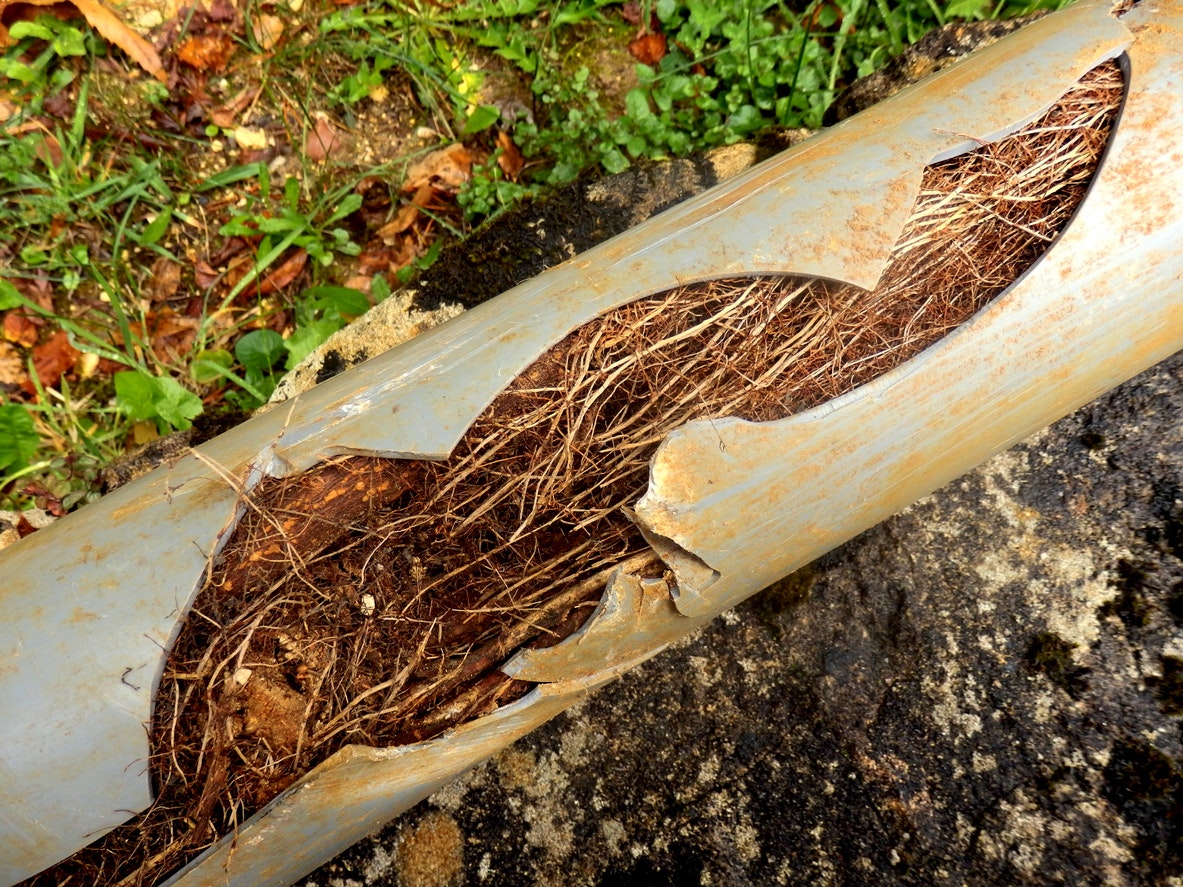
If there is one underground problem that catches Rhode Island and Massachusetts homeowners completely off guard, it is tree root intrusion. From the outside, everything looks fine — the yard is green, the trees are healthy, the drains seem mostly okay. But underneath the surface, root systems that have been expanding for years have quietly worked their way into sewer laterals through cracked joints, corroded seams, and aging pipe connections. By the time a homeowner notices a slow drain or a recurring backup, the roots are already well established inside the pipe. Research published by the U.S. Forest Service found that tree roots are responsible for more than 50 percent of all sewer blockages nationwide — making root intrusion the single most common structural cause of sewer line failure in residential systems across the country. The EPA goes further, stating directly that sewer line root intrusion is the single most destructive element facing those responsible for maintaining wastewater infrastructure. For homeowners in Rhode Island and Southeastern Massachusetts — where older housing stock, aging clay and cast iron sewer lines, and mature urban tree canopies all share the same underground space — that statistic is not a national abstraction. It describes a very real and very local problem. Wood's Rooter Service, based in East Providence, Rhode Island, responds to root intrusion calls across Rhode Island, Southeastern Massachusetts, and Connecticut 24 hours a day, seven days a week, with the equipment, credentials, and experience to find the roots, remove them, and protect the pipe against recurrence.
What makes root intrusion particularly difficult to catch early is that roots do not announce their arrival. A sewer lateral can be partially obstructed by a growing root mass for months before any surface symptom appears. According to the National Association of Sewer Service Companies (NASSCO), root intrusion is one of the leading causes of sewer line failure specifically in homes built before 1980 — a description that covers a substantial portion of the housing stock across Providence, Pawtucket, Cranston, Warwick, and surrounding Rhode Island communities. Older pipes were installed with bell-and-spigot joints and materials like clay tile and cast iron that develop microscopic cracks and joint separations as they age and shift with the soil. Those small openings are all a root needs to find its way inside. Once in, it does not stop.
How Tree Roots Find Their Way Into Sewer Pipes
Understanding why roots go after sewer lines in the first place makes it easier to understand why no amount of landscaping can fully eliminate the risk once a mature tree is growing anywhere near the property. Roots grow in the direction of moisture, oxygen, and nutrients — and a buried sewer pipe provides all three in abundance. The pipe is warm relative to the surrounding soil, it releases water vapor through small imperfections in the pipe wall, and the organic material flowing through it is exactly what a root system is designed to find. When a root hair detects that moisture gradient, it grows toward it. If there is even a hairline crack in a joint or a slightly separated connection, a fine root hair threads its way through — and once inside, it begins to grow rapidly because the interior of the pipe is a nearly ideal environment. The EPA estimates that the United States experiences between 23,000 and 75,000 sanitary sewer overflows every single year, and root intrusion through aging pipe defects is one of the primary documented causes.
Tree species matter significantly when assessing risk for a specific property. Research from Michigan State University Extension, drawing on U.S. Forest Service data, found that certain species cause infrastructure damage at rates far exceeding their share of the tree population. Oak trees made up just 2.1 percent of the tree population studied but caused more than 11 percent of the documented underground infrastructure damage — a damage-to-population ratio of 5.5 to 1. Poplar and willow species are widely cited by drainage professionals as the most aggressive in seeking out water sources, with root systems that can extend well beyond the tree's canopy and actively pursue the moisture released by even a slightly leaking sewer lateral. For homeowners in Rhode Island and Massachusetts with established oaks, maples, willows, or poplars anywhere on or near their property, the sewer lateral running from the house to the street is a natural target — especially if that lateral is older, jointed, and has not been inspected in years. Wood's Rooter's camera inspection service allows technicians to see the exact condition of the pipe from the inside, identifying root presence and growth stage before a minor intrusion becomes a major blockage.
The Warning Signs That Roots Have Already Entered the Pipe
Root intrusion tends to follow a recognizable pattern as it progresses, and knowing the early signs can be the difference between a service call that costs a few hundred dollars and a full pipe repair that costs several thousand. In the early stages, roots create a partial restriction that catches debris — grease, hair, and solid waste that would normally pass through begin snagging on the root mass and building up behind it. The first sign homeowners usually notice is that drains across multiple fixtures start running slower than they used to. A single slow drain in a bathroom sink is usually a localized fixture clog. When multiple fixtures — a toilet, a shower, a floor drain — all start draining slowly around the same time, that pattern points to the main sewer lateral, not the individual lines. Gurgling sounds from a toilet when a nearby sink is running, or water backing up into a tub when the toilet is flushed, are both reliable indicators that the main line is significantly restricted. Foul odors coming from floor drains or fixtures — particularly a sewage smell that has no obvious source — suggest that wastewater is being held in the lateral rather than flowing freely through it. According to NASSCO, these symptoms in older pipe systems should be treated as root intrusion until a camera inspection proves otherwise, because that is statistically the most likely cause in homes built before 1980.
Left unaddressed, a partial root blockage becomes a complete one. Once a root mass has grown large enough to fill the cross-section of the pipe, no wastewater can exit the home. At that point, sewage begins backing up through the lowest drain in the structure — typically a basement floor drain, a first-floor toilet, or a laundry standpipe — and the property owner is no longer dealing with a plumbing maintenance issue. They are dealing with a sewage contamination event inside the living space, which the water damage restoration industry classifies as Category 3 black water requiring professional remediation of all affected surfaces and materials. The cost of that remediation, added to the emergency repair of the sewer line, routinely exceeds what proactive maintenance would have cost many times over. Wood's Rooter's 24/7 availability and no-emergency-fee policy mean that when a homeowner notices these warning signs, they can call immediately — day or night — without worrying that reaching out after hours will result in a premium charge on top of an already stressful situation.
How Professional Root Removal Actually Works
When Wood's Rooter responds to a suspected root intrusion call, the first step is always accurate diagnosis before any removal work begins. A video camera inspection sends a high-definition camera through the sewer lateral on a flexible rod, transmitting real-time footage of exactly what is inside the pipe — where the roots are, how dense the mass has become, and what condition the surrounding pipe material is in. That visual information is critical because it determines which removal method is appropriate and whether the pipe itself is structurally sound enough to hold up to the work. Skipping the camera step and going straight to mechanical cutting is one of the most common mistakes in residential root removal service, and it often makes the situation worse rather than better.
For root masses that are present but have not yet caused a complete blockage, motorized drain cabling with a root-cutting head can clear the obstruction and restore flow. This is the appropriate first-line response when the pipe is intact, the root intrusion is moderate, and the goal is to restore drainage as quickly as possible. However, NASSCO's maintenance guidance is explicit on an important point: mechanical root cutting alone is not a long-term solution. Cutting the roots inside the pipe is functionally similar to pruning a tree — the root system is stimulated to regrow, and in many cases the regrowth comes back thicker and more aggressive than the original intrusion. For homeowners who have had a sewer line snaked for roots and then experienced the same problem returning within months, that regrowth pattern is the reason why. Wood's Rooter's technicians communicate this directly to property owners, explaining what the camera found and what the realistic options are for a more durable result — including whether trenchless pipe lining is an appropriate next step after root removal.
Why Trenchless Pipe Lining Is the Most Durable Answer to Recurring Root Intrusion
When a sewer lateral has experienced root intrusion, it means the pipe already has cracks, joint separations, or structural defects that gave the roots an entry point in the first place. Removing the roots clears the immediate blockage, but it does not seal the entry point — and as long as that opening exists in the pipe wall, roots will find it again. For pipes that have experienced repeated root intrusion, or that a camera inspection reveals to be cracked, corroded, or structurally compromised, Cured-In-Place Pipe lining (CIPP) is the most durable and cost-effective long-term solution available without excavating the yard. CIPP lining inserts a resin-saturated liner into the host pipe, expands it against the pipe walls, and cures it in place — creating a smooth, continuous, jointless new interior pipe surface that has no seams or connections for roots to exploit. NASSCO's engineering standards specify that properly designed and installed CIPP systems are intended for a service life of 50 years or more, and the seamless interior surface is inherently more resistant to root re-entry than any jointed pipe system. Research from the U.S. Forest Service found that the cost of routine root removal may be as low as one-sixth the cost of full pipe replacement — but trenchless lining, when appropriate, eliminates the need for that annual or biannual root clearing cycle entirely while also addressing the structural pipe condition that made intrusion possible in the first place.
Wood's Rooter is a Certified Permaliner Installer, one of the most recognized credentialing standards in the trenchless pipe rehabilitation industry. That certification means technicians are trained and qualified to install CIPP liner systems that meet the engineering and material specifications required for structural pipe rehabilitation — not just drain cleaning with a different tool. The trenchless approach also means that a yard, driveway, or landscaping does not have to be excavated and restored as part of the repair. For homeowners in established Rhode Island and Massachusetts neighborhoods where mature trees are close to the property line and excavation would potentially damage both the landscaping and the root systems of healthy trees elsewhere on the property, that distinction matters considerably. Wood's Rooter conducts a thorough camera inspection before recommending any lining work, confirming that the pipe's condition makes it a suitable candidate and giving property owners a clear, documented picture of what they are working with before a single dollar of repair work is authorized.
Rhode Island and Massachusetts Properties Are Especially Vulnerable
The combination of factors that drives root intrusion risk is particularly concentrated in Rhode Island and Southeastern Massachusetts. The region has one of the oldest urban housing stocks in the country, with a significant share of sewer laterals in cities like Providence, Pawtucket, and Woonsocket that were installed in clay tile or early cast iron during the first half of the twentieth century. Those pipes were laid in sections with bell-and-spigot joints that shift over time as the soil moves through freeze-thaw cycles — cycles that are a routine feature of the New England climate and that create new joint gaps each year. The American Society of Civil Engineers has estimated that Rhode Island needs to invest $1.92 billion over the next 20 years to repair and upgrade its aging wastewater infrastructure, a figure that reflects just how widespread the deterioration of underground pipe systems is across the state. Private sewer laterals — the pipes that connect an individual property to the municipal main — are the property owner's financial responsibility, and they are subject to the same age and condition issues as the municipal lines running beneath the street.
At the same time, Rhode Island's urban neighborhoods are characterized by established tree canopies. Silver maples, oaks, and other large-canopy species that were planted along residential streets and property lines decades ago now have mature root systems extending many feet in every direction from the base of the tree. U.S. Forest Service research found that total annual concrete and sewer repair costs attributed to tree root damage averaged $4.28 per street tree across 15 cities surveyed nationally — and that figure covered only city-owned pipes, not the private sewer laterals that individual homeowners are responsible for maintaining and repairing at their own expense. For a property owner in East Providence, Cranston, or Warwick with a mature oak or maple in the front yard and a sewer lateral installed in the 1950s running toward the street, these two facts — aging pipe and aggressive root growth — represent a collision that is often just a matter of time. Wood's Rooter's service area covers exactly this landscape, and the company's combination of camera inspection, mechanical root clearing, hydro jetting, and certified trenchless pipe lining gives local homeowners a complete toolkit for addressing whatever stage of root intrusion they are dealing with, from early detection to full pipe rehabilitation.
What to Do If You Suspect Tree Root Intrusion in Your Sewer Line
The most important thing a homeowner can do when they start noticing the signs of root intrusion is call for a professional camera inspection before the situation progresses further. Multiple slow drains, gurgling toilets, foul odors from floor drains, or a history of recurring sewer backups in an older home are all reasons to pick up the phone rather than wait to see if things get better on their own — because with root intrusion, they do not get better on their own. Roots do not retreat. They continue growing as long as the entry point exists and the moisture source remains. Addressing the problem at the partial-restriction stage is always less expensive, less disruptive, and less damaging to the property than addressing it at the point of complete blockage and sewage backup. Angi's 2026 cost data shows that a main sewer line clog repair averages $380 nationwide, with tree root removals requiring more labor than grease or hair clogs — and that figure escalates significantly when a complete sewer backup event requires cleanup, pipe repair, and possible pipe rehabilitation all at once. Catching root intrusion early keeps the cost and the scope of the work manageable.
Wood's Rooter Service provides free on-site estimates and phone quotes, meaning Rhode Island and Massachusetts homeowners can reach out without committing to work they have not yet had explained and priced. Technicians are available around the clock with no emergency fee, same-day service on most calls, and the licensing — RI Contractor License GC-28414, Underground Utility Contractor License UU-44252, and OWTS RI DEM License L1734 — to handle everything from an initial root removal through a full trenchless pipe lining project. For root intrusion in any sewer lateral across Rhode Island, Southeastern Massachusetts, or Connecticut, Wood's Rooter is the call that connects the problem to the right solution.
Rhode Island: (401) 432-6405 Massachusetts: (508) 377-4737 woodsrooter.com 28 Boston St, East Providence, RI 02914
References
U.S. Environmental Protection Agency — Sanitary Sewer Overflows: Frequent Questions https://www.epa.gov/npdes/sanitary-sewer-overflows-ssos
U.S. Forest Service Research and Development — Tree Root Intrusion in Sewer Systems: A Review of Extent and Costs https://research.fs.usda.gov/treesearch/45998
National Association of Sewer Service Companies (NASSCO) — Maintenance and Root Control https://nassco.org/trenchless-technology/maintenance/
Michigan State University Extension — Reducing Damage Caused by Tree Roots https://www.canr.msu.edu/news/reducing_damage_caused_by_tree_roots1
Angi — Main Sewer Line Clog Repair Cost 2026 https://www.angi.com/articles/cost-to-clear-a-main-sewer-line-clog.htm